
Pet Allergies and Itching: Causes, Warning Signs and Support Options
Constant scratching, paw licking, recurring ear problems and irritated skin can make life miserable for dogs and cats — and frustrating for the people trying to help them. Although allergies are common, itching is not a diagnosis by itself. Fleas, food sensitivities, environmental allergens, infections and other medical conditions can produce similar symptoms. Finding the underlying cause is the first step toward providing meaningful, lasting relief.
Common signs of allergies in pets
Allergy symptoms can look different from one animal to another. Watch for:
- Frequent scratching, biting or licking
- Red, inflamed or sensitive skin
- Persistent paw licking or chewing
- Recurring ear infections
- Hair loss or thinning patches
- Hot spots, scabs or sores
- Musty or unusual skin odor
- Watery eyes or sneezing
- Digestive problems, including loose stool or vomiting
- Restlessness or difficulty sleeping
When to get seen right away
Schedule a veterinary examination if symptoms are persistent, severe or repeatedly return. Open sores, facial swelling, breathing problems, extreme discomfort or rapidly spreading irritation require prompt veterinary attention.
Environmental allergies
Dogs and cats may react to pollen, grass, mold, dust mites and other environmental substances. Symptoms may appear seasonally or continue throughout the year when indoor allergens are involved.
Environmental allergies frequently affect the paws, face, ears, abdomen and other areas that regularly contact the environment.
Flea allergy dermatitis
Some pets are extremely sensitive to flea saliva. For these animals, a single flea bite can cause significant itching and inflammation.
Fleas are not always easy to find, especially when a pet is grooming or scratching excessively. Consistent veterinarian-approved flea prevention may be an important part of determining whether fleas are contributing to the problem.
Food allergies
Food allergies are possible, but they are not responsible for every itchy pet. When food is involved, the reaction is usually associated with a particular ingredient — often a protein the animal has previously consumed.
Skin irritation, recurring ear infections, paw licking and digestive problems may occur. However, these symptoms can also have other causes.
The most reliable way to investigate a suspected food allergy is through a properly controlled elimination diet supervised by a veterinarian. Blood, saliva and hair-based food sensitivity tests may not provide reliable answers.
Contact irritation
Cleaning products, fragrances, lawn treatments, fabrics, plastics and topical products may irritate sensitive skin. Reactions are often most noticeable in areas that directly contact the triggering substance.
Switching to fragrance-free household products and washing pet bedding regularly may help reduce unnecessary exposure.
Secondary skin or ear infections
Frequent scratching can damage the skin barrier and allow bacteria or yeast to multiply. Infections can then intensify itching, odor, redness and discomfort.
A veterinary examination may include skin cytology, ear testing or other diagnostics to determine whether an infection is present and what treatment is appropriate.
Start with a veterinary evaluation
Allergic skin disease is rarely solved with one product or one change. The American Animal Hospital Association recommends an individualized, multimodal approach to diagnosing and managing allergies in dogs and cats.
Your veterinarian may evaluate your pet for:
- Fleas, mites and other parasites
- Bacterial or yeast infections
- Food allergies
- Environmental allergies
- Ear disease
- Hormonal or immune-related conditions
- Other medical causes of itching
Practical ways to reduce allergen exposure
Small changes at home may help reduce contact with environmental irritants:
- Wipe or rinse paws after outdoor walks
- Wash pet bedding regularly using fragrance-free detergent
- Vacuum frequently to reduce dust, pollen and flea debris
- Use pet-safe, fragrance-free household cleaners
- Maintain veterinarian-recommended flea prevention
- Avoid applying human skin products to your pet
- Bathe only with products formulated for dogs or cats
- Follow your veterinarian's recommendations regarding bathing frequency
A note on essential oils
Cats can be especially sensitive to essential oils and concentrated plant compounds. Never apply essential oils directly to a pet or use them around cats without specific guidance from a qualified veterinarian.
Diet and digestive support
Nutrition plays an important role in overall skin and coat health, but supplements should not replace veterinary diagnosis or treatment.
A complete and balanced diet provides the protein, fatty acids, vitamins and minerals needed to maintain a healthy skin barrier. Some pets may also benefit from veterinarian-approved omega-3 fatty acids or probiotic support.
Avoid changing several foods and supplements simultaneously. Making one carefully documented change at a time makes it easier to determine what is actually helping.
Adored Beast products for skin, gut and immune support
The following Adored Beast products are formulated to provide general wellness support. They are not substitutes for veterinary diagnosis or treatment and are not intended to diagnose, treat or cure allergies, infections or other medical conditions.
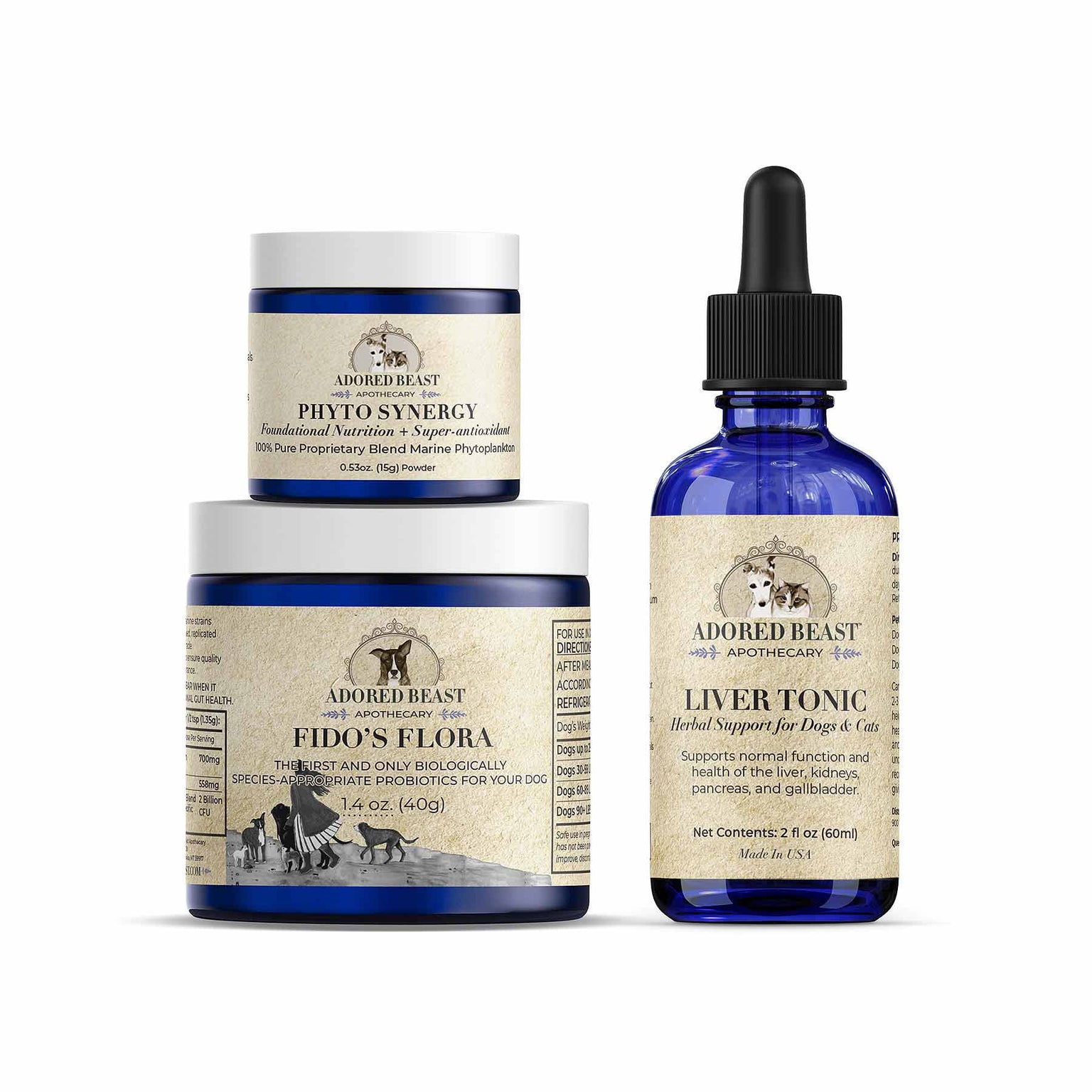 Canine Allergy Bundle
A multi-product bundle built to tackle seasonal and environmental allergies in dogs from the inside out.
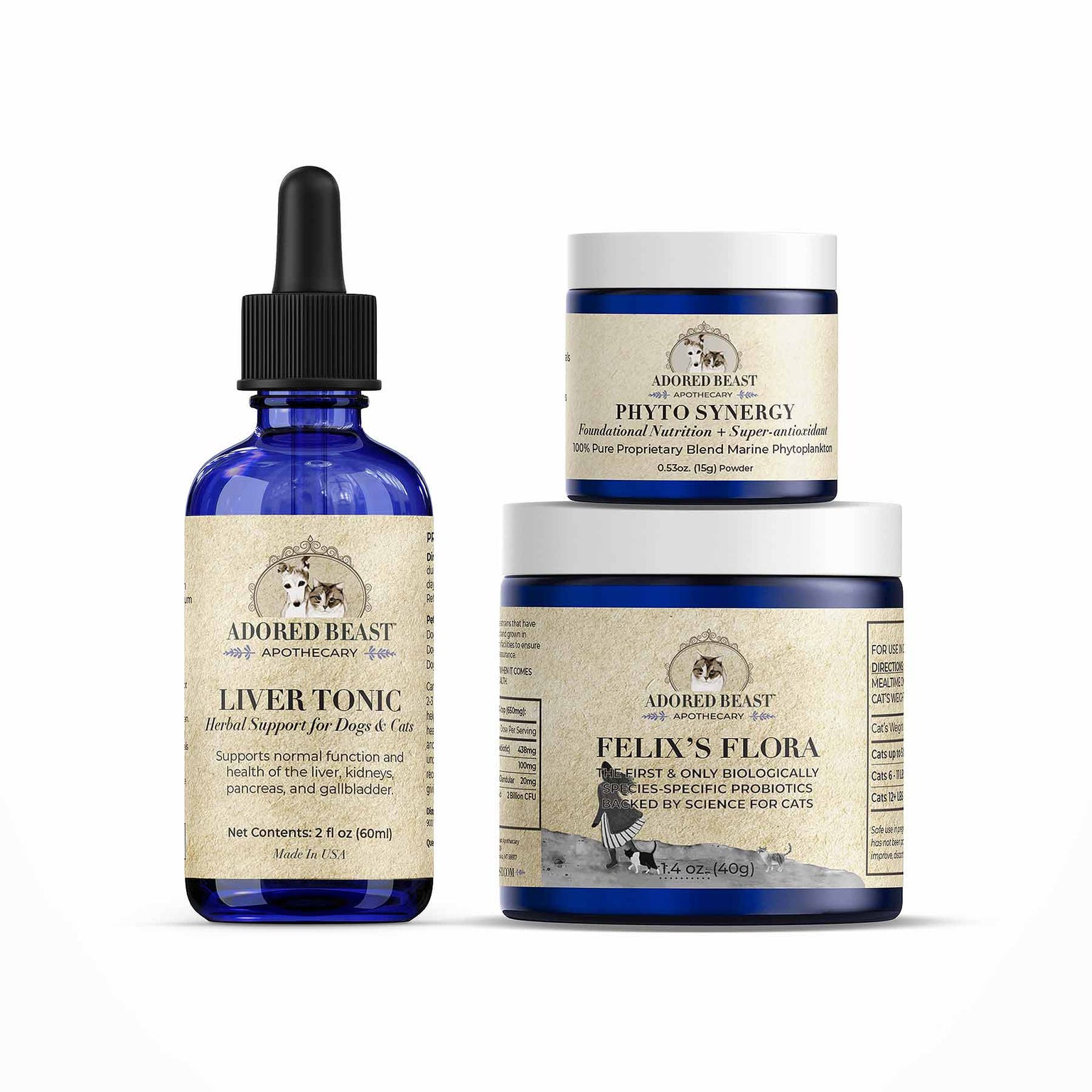 Feline Allergy Bundle
A cat-specific allergy kit that supports the gut, liver, and immune system together.
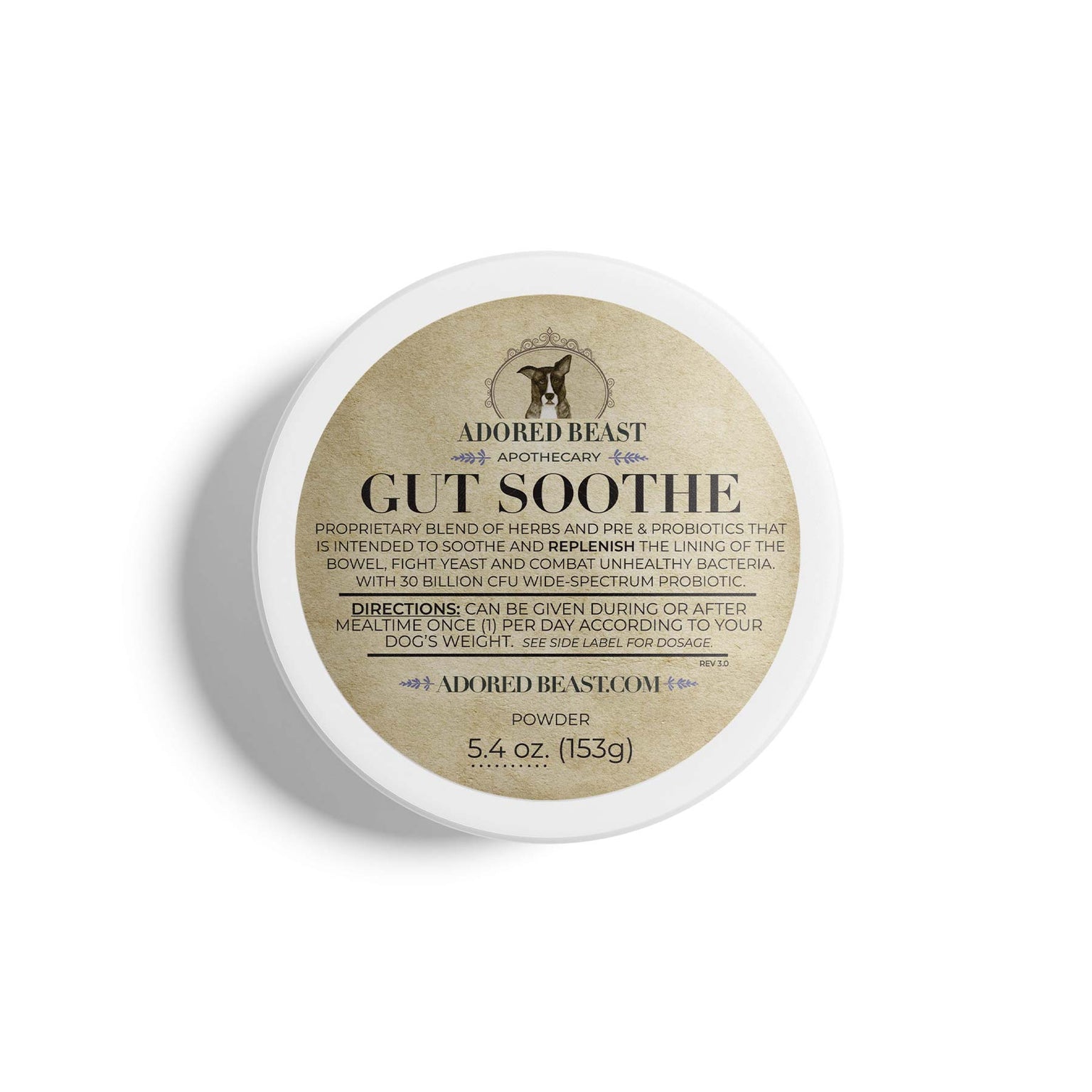 Canine Gut Soothe
Soothes an irritated digestive tract and helps calm loose stools, gas, and tummy upset in dogs.
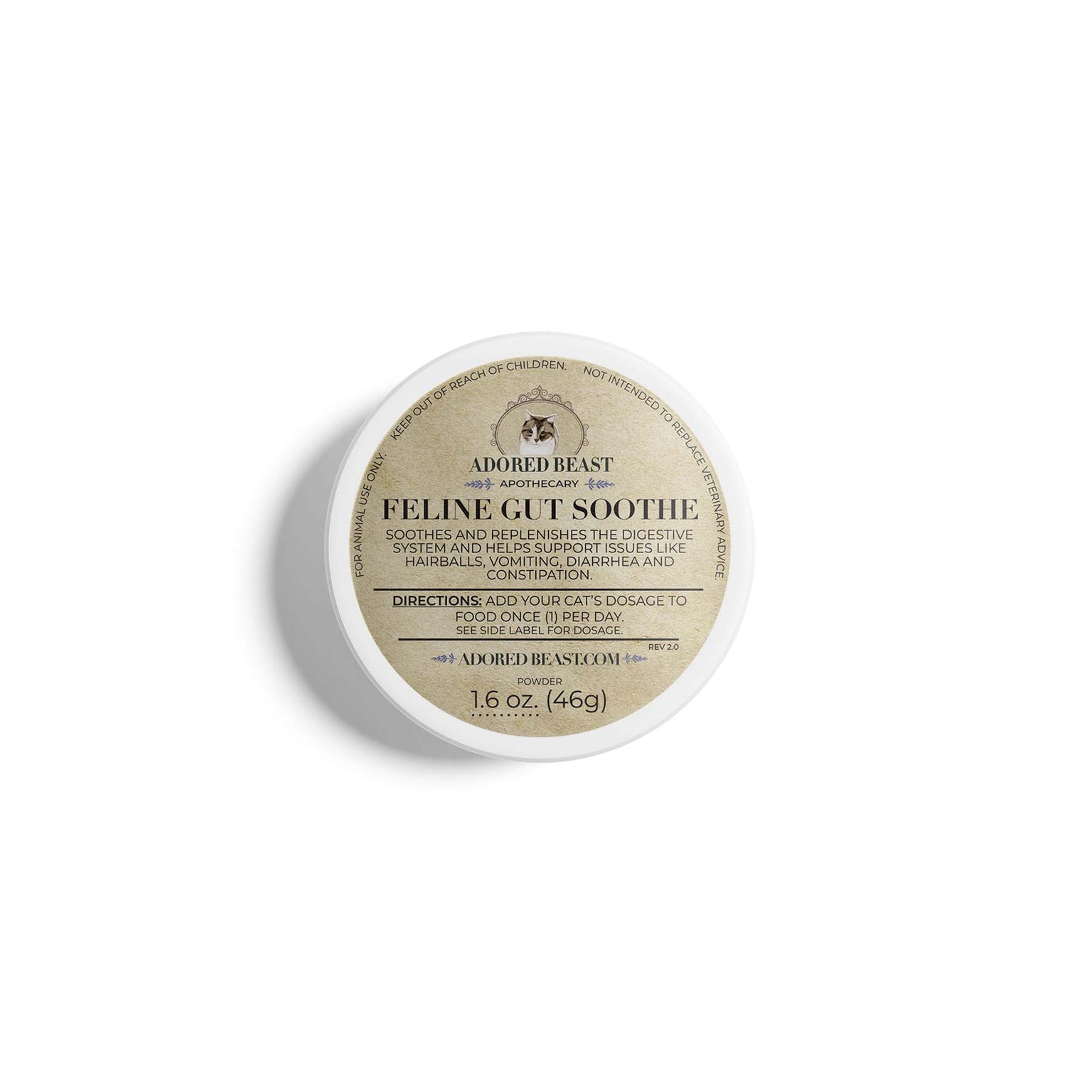 Feline Gut Soothe
A gentle cat formula that calms digestive irritation and supports a healthy gut lining.
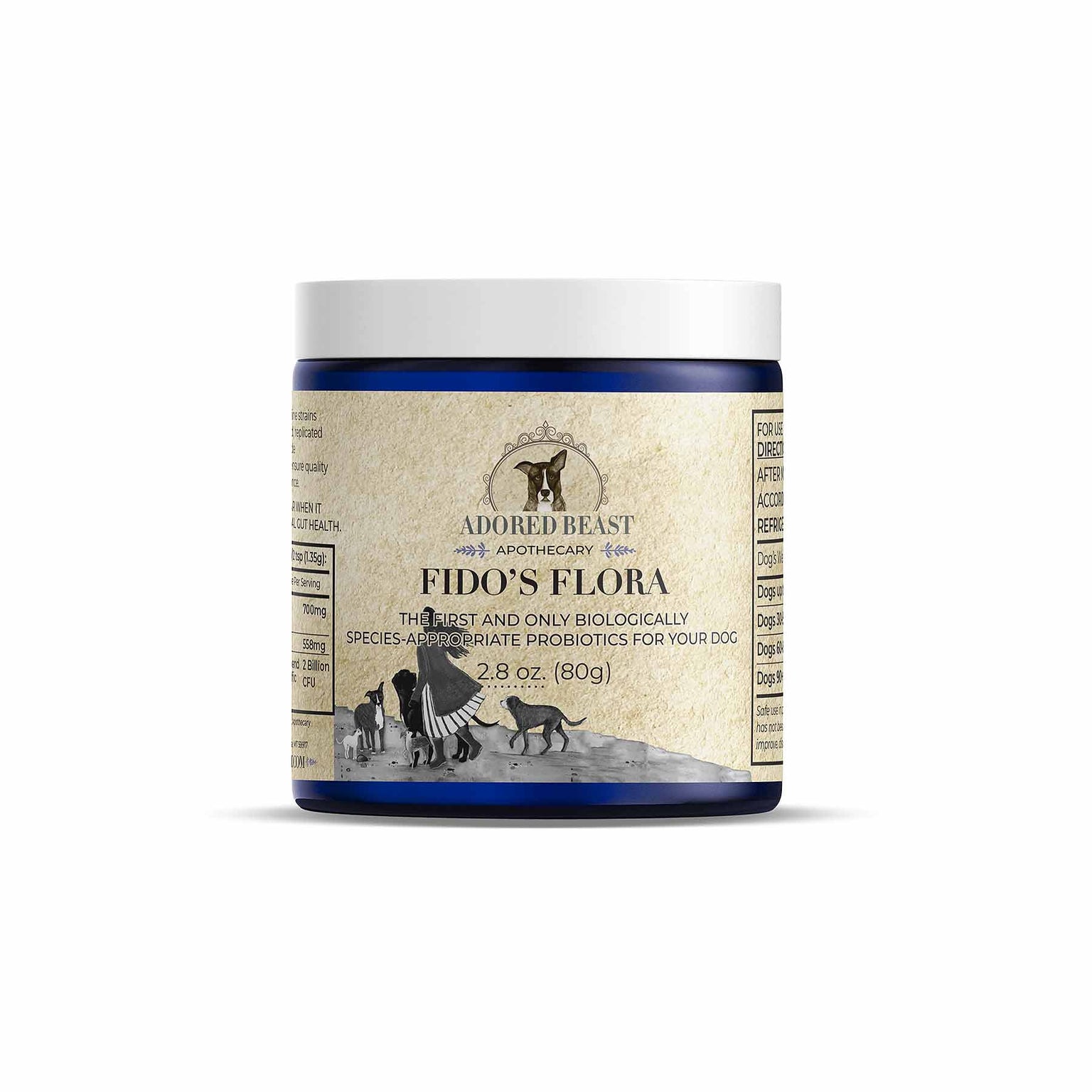 Fido's Flora | Canine Species-Specific Probiotic
A canine species-specific probiotic to rebuild a truly dog-appropriate microbiome.
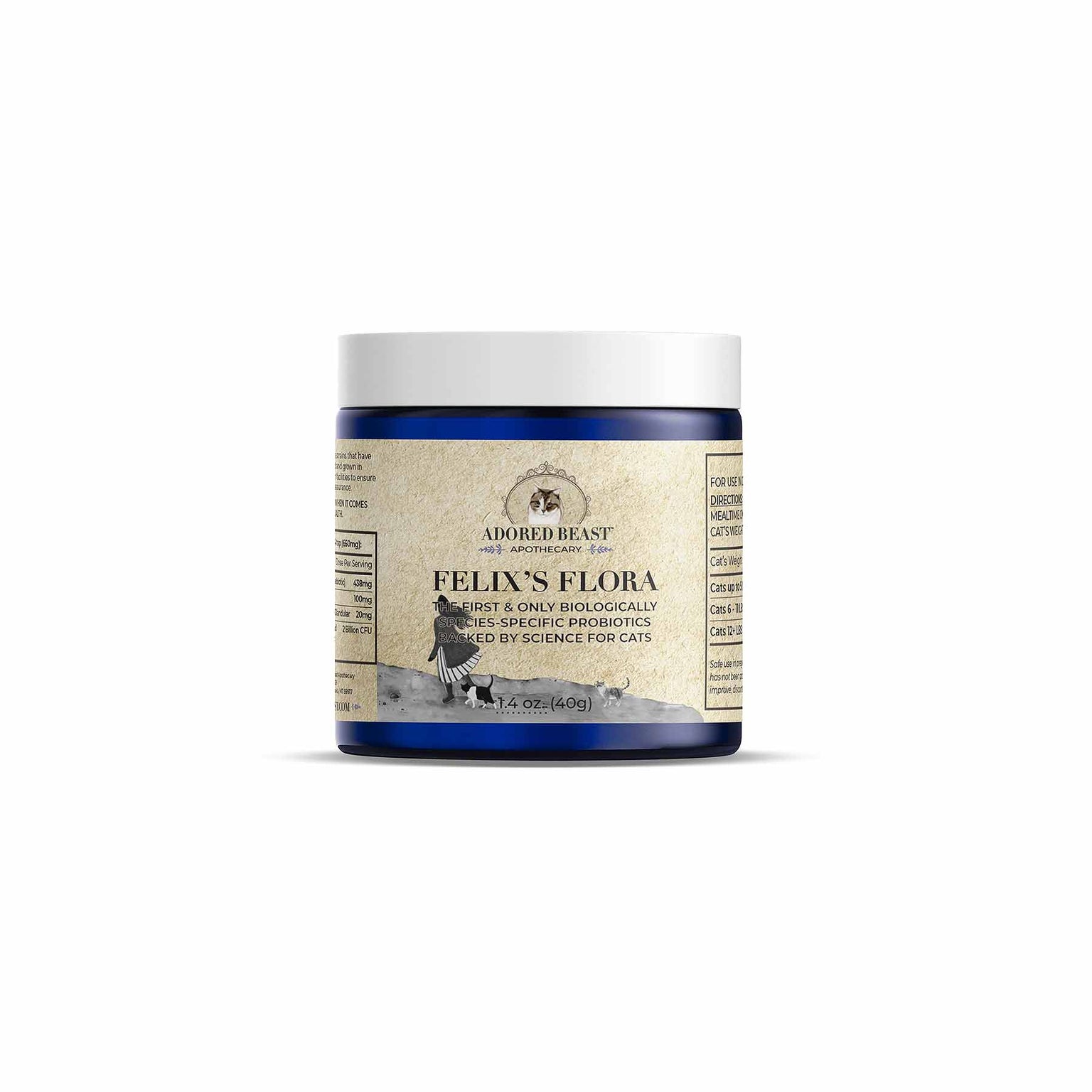 Felix's Flora | Feline Species-Specific Probiotic
A species-specific probiotic built from strains native to the feline gut.
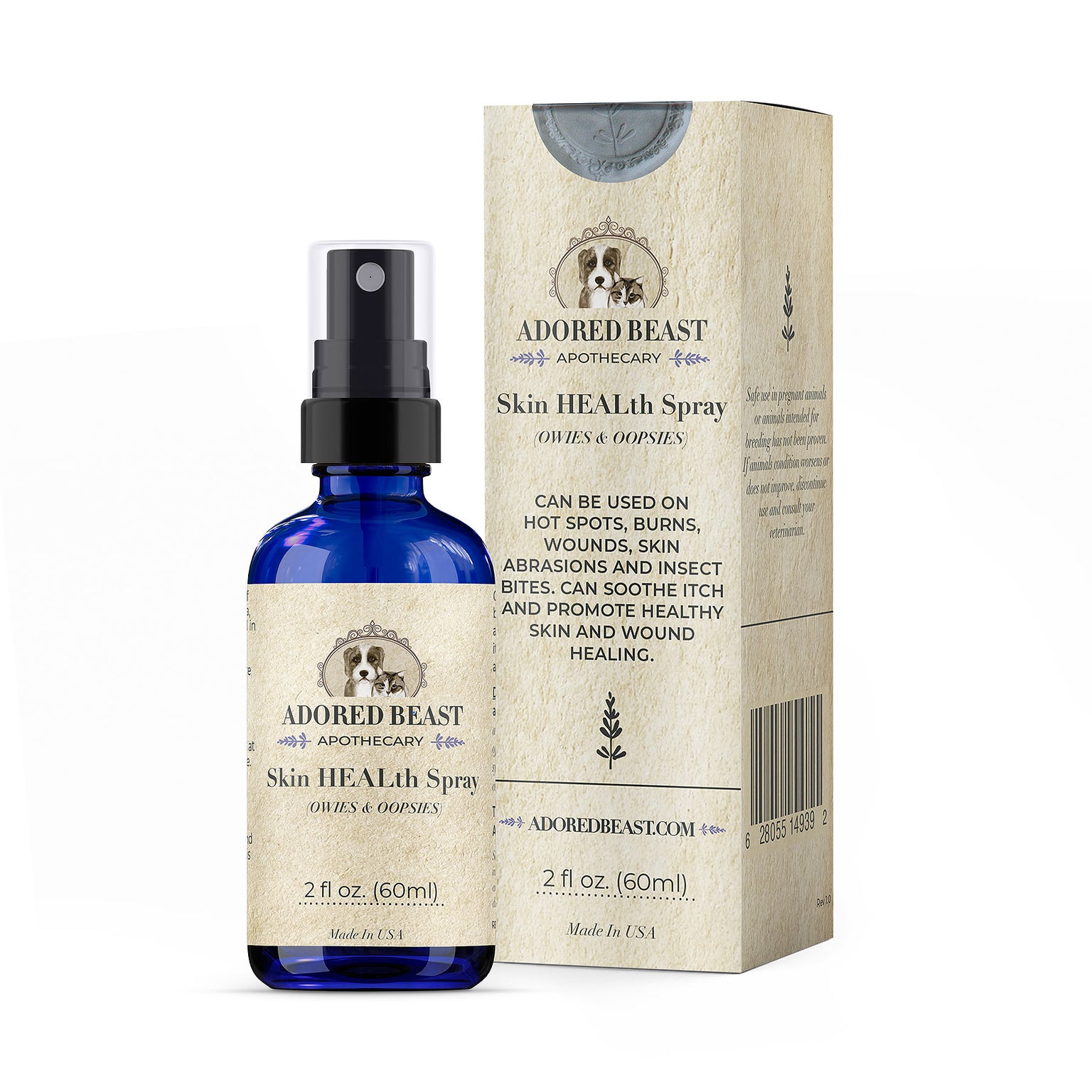 Skin HEALth Spray | Topical Cuts, Scrapes & Sores
A soothing topical spray for cuts, scrapes, hot spots, and irritated skin.
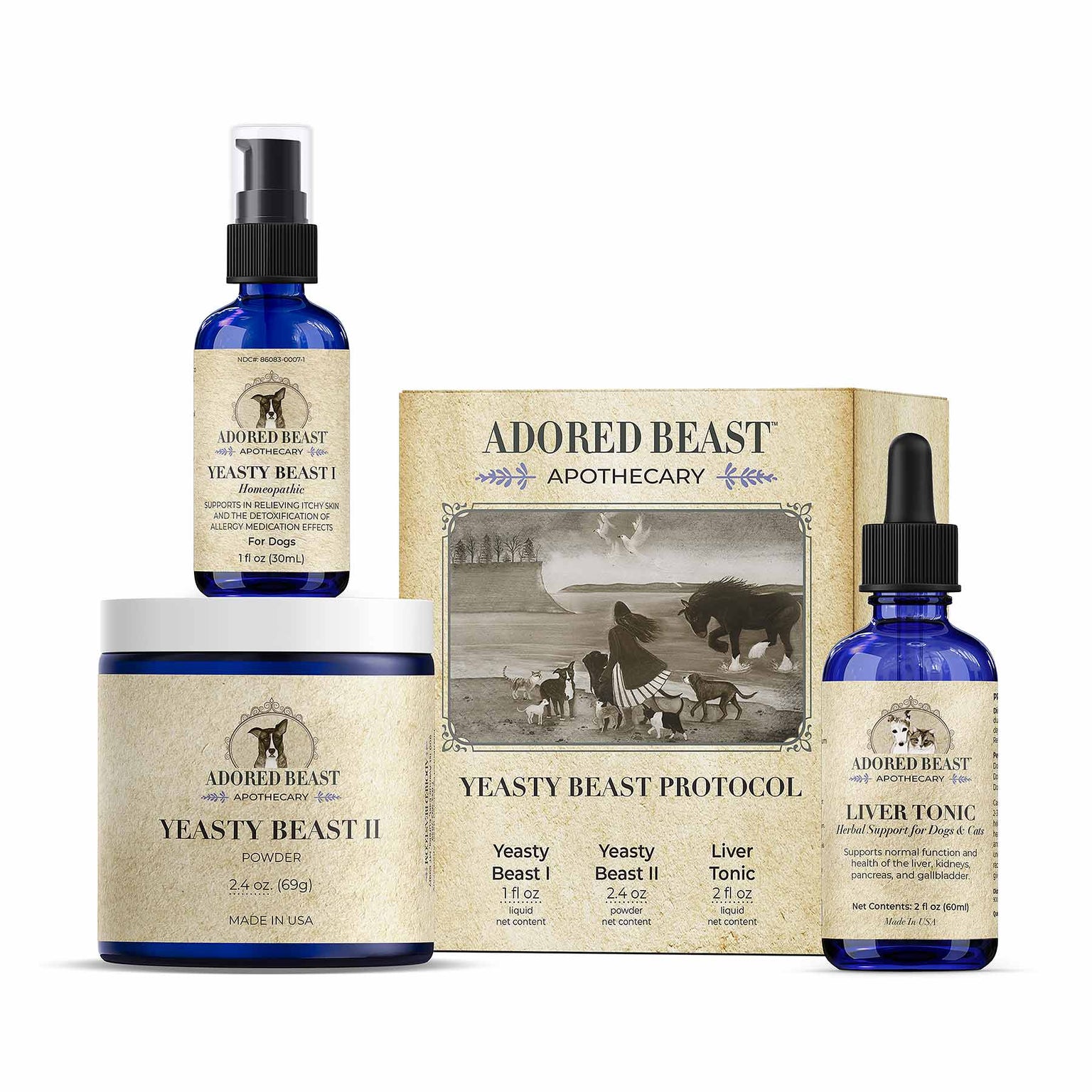 Yeasty Beast Protocol for Dogs | 3-Product Kit
A three-product kit that tackles yeast overgrowth internally and topically.
What about Apoquel, Cytopoint and other treatments?
Prescription treatments such as Apoquel and Cytopoint may be recommended to control severe itching and improve a dog's comfort. Like all medications, they have benefits, limitations and possible side effects.
Do not start, stop or change prescription medication without consulting your veterinarian. For many pets, the best plan combines appropriate itch relief with parasite control, treatment of infections, dietary investigation and long-term management of environmental triggers.
Keep an allergy journal
Tracking your pet's symptoms can make it easier to identify patterns. Record:
- Foods, treats and supplements
- Flea-prevention dates
- Outdoor activities
- Seasonal changes
- Grooming and bathing products
- Ear or skin infections
- Medications and responses
- Areas of the body affected
- Photographs of flare-ups
When should you contact a veterinarian?
Contact your veterinarian if:
- The itching is severe or persistent
- Your pet develops open sores or bleeding
- The skin has a strong odor or discharge
- Your pet repeatedly develops ear infections
- There is significant hair loss
- Symptoms interfere with sleeping, eating or normal activities
- Home-care changes are not helping
- Your pet develops vomiting, diarrhea or other digestive symptoms
- The face, lips or eyes begin to swell
- Your pet has difficulty breathing
The bottom line
Facial swelling or breathing difficulty may indicate a serious allergic reaction and should be treated as an emergency.
Itching in dogs and cats can have several overlapping causes. There is rarely one universal solution. Begin with a veterinary evaluation, rule out parasites and infections, and then work through potential dietary and environmental triggers systematically. Supportive products may complement that plan, but they should be selected according to your pet's individual needs.
With patience, careful observation and professional guidance, many pets can experience better skin comfort and an improved quality of life.
Products mentioned in this guide
A multi-product bundle built to tackle seasonal and environmental allergies in dogs from the inside out.
Shop NowA cat-specific allergy kit that supports the gut, liver, and immune system together.
Shop NowSoothes an irritated digestive tract and helps calm loose stools, gas, and tummy upset in dogs.
Shop NowA gentle cat formula that calms digestive irritation and supports a healthy gut lining.
Shop NowA canine species-specific probiotic to rebuild a truly dog-appropriate microbiome.
Shop NowA species-specific probiotic built from strains native to the feline gut.
Shop NowA soothing topical spray for cuts, scrapes, hot spots, and irritated skin.
Shop NowA three-product kit that tackles yeast overgrowth internally and topically.
Shop NowWhere to go next
Educational content only — not veterinary advice. Talk to your vet before starting any new supplement, especially if your pet is on medication.